Recurring clogs
A clog that clears briefly and soon returns may leave buildup behind or point to a pipe problem. Repeatedly forcing the same blockage can delay finding its cause.
DRAINAGE HELP · DALTON, GEORGIA
Slow drains, clogged sinks, or a blockage that keeps coming back? Understand the signs and find a practical next step.
DaltonPlumber.com helps visitors seek connections with independent plumbing providers in Dalton and Whitfield County, subject to availability. We do not perform drain cleaning or plumbing repairs.
Our referral phone line is not yet configured. View current contact options.

RECOGNIZE THE SYMPTOMS
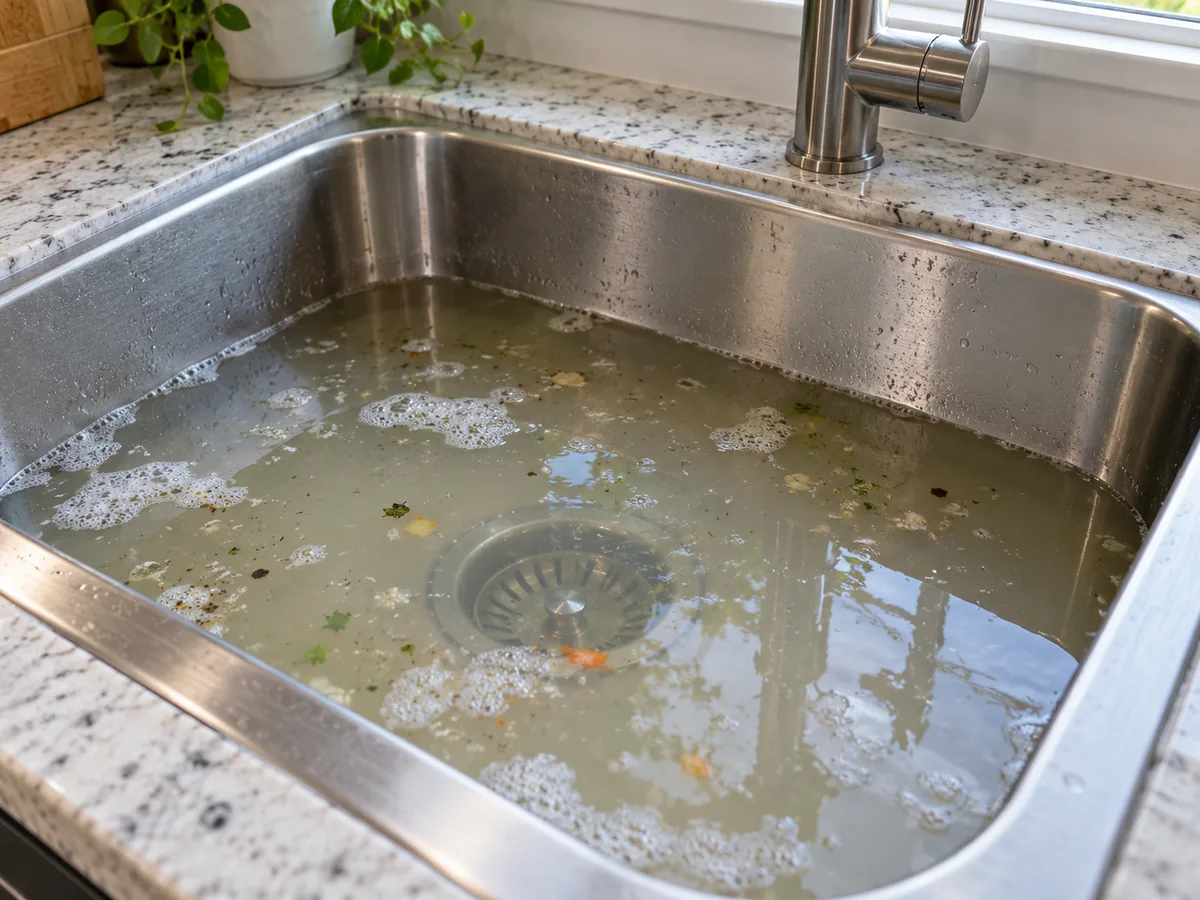
Grease, food debris, and soap residue can narrow a kitchen drain over time. Water that lingers after washing dishes may be an early sign of buildup.
Hair, toothpaste, and soap can collect around the stopper or farther along the drain. A blockage that returns after surface cleaning may need a closer inspection.
Hair and soap scum can hold back water, leaving you standing in a shallow pool. A slow tub may share a downstream problem with nearby fixtures.
Repeated toilet clogs can come from material in the toilet trap or a restriction farther down the drain. If other fixtures are affected, describe that pattern to a provider.
When several fixtures drain slowly at once, a shared branch drain or main sewer line may be involved. The symptoms alone do not identify the exact cause.
Odors can come from residue, a dry trap, or a venting or drainage issue. Persistent smells deserve attention even when water still drains.
A single slow fixture and a whole-house backup can need different approaches. These patterns are worth describing when you seek help.
A clog that clears briefly and soon returns may leave buildup behind or point to a pipe problem. Repeatedly forcing the same blockage can delay finding its cause.
A sink that gurgles when a toilet flushes, or several slow drains, can suggest a shared restriction. Ask a provider whether the branch drain or sewer line needs assessment.
Water rising into a sink, tub, or shower when another fixture runs needs prompt attention. Stop using affected fixtures and avoid contact with wastewater while arranging help.
ASSESS FIRST, THEN CHOOSE A METHOD
The right method depends on the cause, condition, and location of the drain blockage. A provider may start by asking about symptoms and checking an accessible cleanout or fixture.
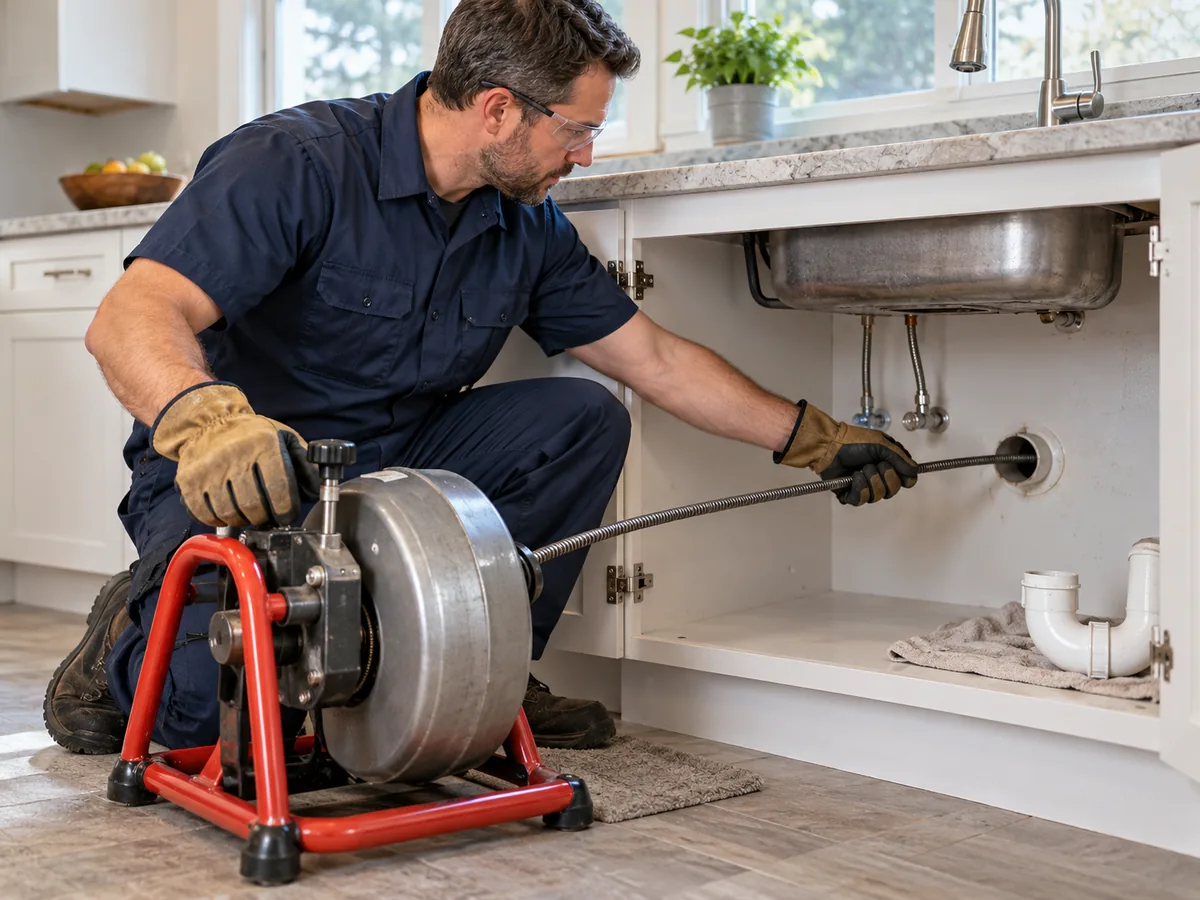
A flexible cable can reach a blockage and break it up or retrieve material. The equipment and cable size depend on the fixture, pipe diameter, and access point.
Specialized equipment uses high-pressure water to remove suitable types of buildup. A provider should assess pipe condition and access first; this method is not appropriate for every drain.
A small camera may help locate obstructions, roots, or visible pipe damage in accessible lines. It can help explain recurring problems, though standing water or a blockage may limit the view.
Equipment and services vary. Confirm which methods the independent provider offers and what they recommend for your property.
A referral is a starting point. The independent provider handles assessment, service decisions, and any work you authorize.
Explain which fixtures are affected, how long the issue has lasted, and whether wastewater is backing up. Share your location or ZIP code.
DaltonPlumber.com can help you seek a connection with an independent plumbing provider, where available. A connection or appointment is not guaranteed.
Ask the provider about assessment, methods, fees, and scheduling. You decide whether to proceed and agree to service terms directly with that business.
Small changes can reduce everyday buildup, although they cannot prevent every blockage or pipe defect.
Never mix chemical drain cleaners with each other or with other cleaning products. Dangerous reactions can occur. If a drain is fully blocked, wastewater is backing up, or a chemical product has already been used, professional assessment can be safer than further DIY attempts. Tell the provider exactly what you have put into the drain.
There is no single price for every drain problem. Costs vary with the blockage, access, pipe condition, equipment needed, and provider. Ask about diagnostic charges, the proposed work, and any additional fees before approving service. DaltonPlumber.com does not set provider prices.
Consider professional help when a clog keeps returning, basic surface cleaning does not restore drainage, several fixtures are affected, or water comes back into a sink or tub. Stop using affected fixtures if wastewater is backing up.
A provider equipped for sewer work may be able to clear a main line through an appropriate access point. Roots, damaged pipes, or a collapsed section may need further inspection or repair instead of cleaning alone. Confirm the provider offers sewer-line services.
Neither is best for every situation. Snaking may address a localized obstruction, while hydro jetting can remove suitable buildup along a pipe. Pipe condition, the cause of the blockage, and access guide the choice. Ask the provider to explain their recommendation.
Recurring clogs can result from remaining grease or debris, hair, foreign objects, root intrusion, or pipe defects. A restriction farther downstream may also affect several fixtures. An assessment can help distinguish buildup from a problem that needs repair.
Stop running water and avoid flushing toilets or using appliances that discharge into the affected drains. Keep people and pets away from wastewater and seek a provider who can assess a shared drain or main sewer line. Do not add chemical cleaners to standing wastewater.
Seek a connection with an independent plumbing provider serving Dalton, subject to availability. Discuss your drain problem and service options directly with the provider.
Phone line not yet configured.
See current contact options →
Images are AI-generated illustrations of plumbing scenarios, not photographs of actual local contractors or customer jobs.