
Start With Hazards, Not the Size of the Drip
A small amount of water can be serious in the wrong place
Water near live electrical equipment, a sagging ceiling, a suspected gas leak, or uncontrolled wastewater changes the priority. Stay out of hazardous areas. If you smell gas, leave without investigating equipment and contact the gas utility or emergency services from outside. Do not wait for a referral response.
For a familiar, safely accessible water shutoff, isolating a supply leak may reduce damage. Do not force a stuck valve or cross standing water to reach it. The goal is to keep people safe, not prove which component has failed before asking for help.
Recurring Problems Deserve More Than Repeated Fixes
A drain that clears briefly and slows again, a toilet that resumes running, or moisture returning after a repair can indicate an unresolved cause. Repeating the same temporary measure may delay a useful diagnosis. Record how long the improvement lasts and what normal activity precedes the symptom.
A provider can use that history to assess whether the issue is local, downstream, or related to another component. Explain previous chemical treatments and repairs. Do not escalate to stronger chemicals, more force, or incompatible replacement parts because a simple step did not produce a lasting result.
Several Affected Fixtures Change the Picture
One slow fixture can involve a local restriction; several slow drains or water moving between fixtures can point to shared drainage. Repeatedly flushing to test a suspected backup can add more wastewater. Stop affected use when water rises, and keep children and pets away from contamination.
Likewise, a whole-home pressure change differs from one weak faucet. Utility conditions, valves, restrictions, and leaks can create different patterns. Tell the provider which rooms and hot or cold outlets are affected, rather than assume the entire system needs replacement based on a single symptom.
Leaks and Hot-Water Changes Need the Right Expertise
A hidden stain, recurring dampness, or unexplained water use may need source investigation before a repair can be planned. The place water becomes visible is not necessarily where it begins. Ask whether locating work, access, and restoration are included or treated separately.
With hot-water equipment, gas, electricity, pressure, and scalding hazards limit safe homeowner troubleshooting. A provider should work on your unit type and fuel source. Do not open energized panels or alter gas connections. Unreliable temperature, leaks, or unusual discharge deserve a discussion suited to that appliance.
What You Can Safely Observe First
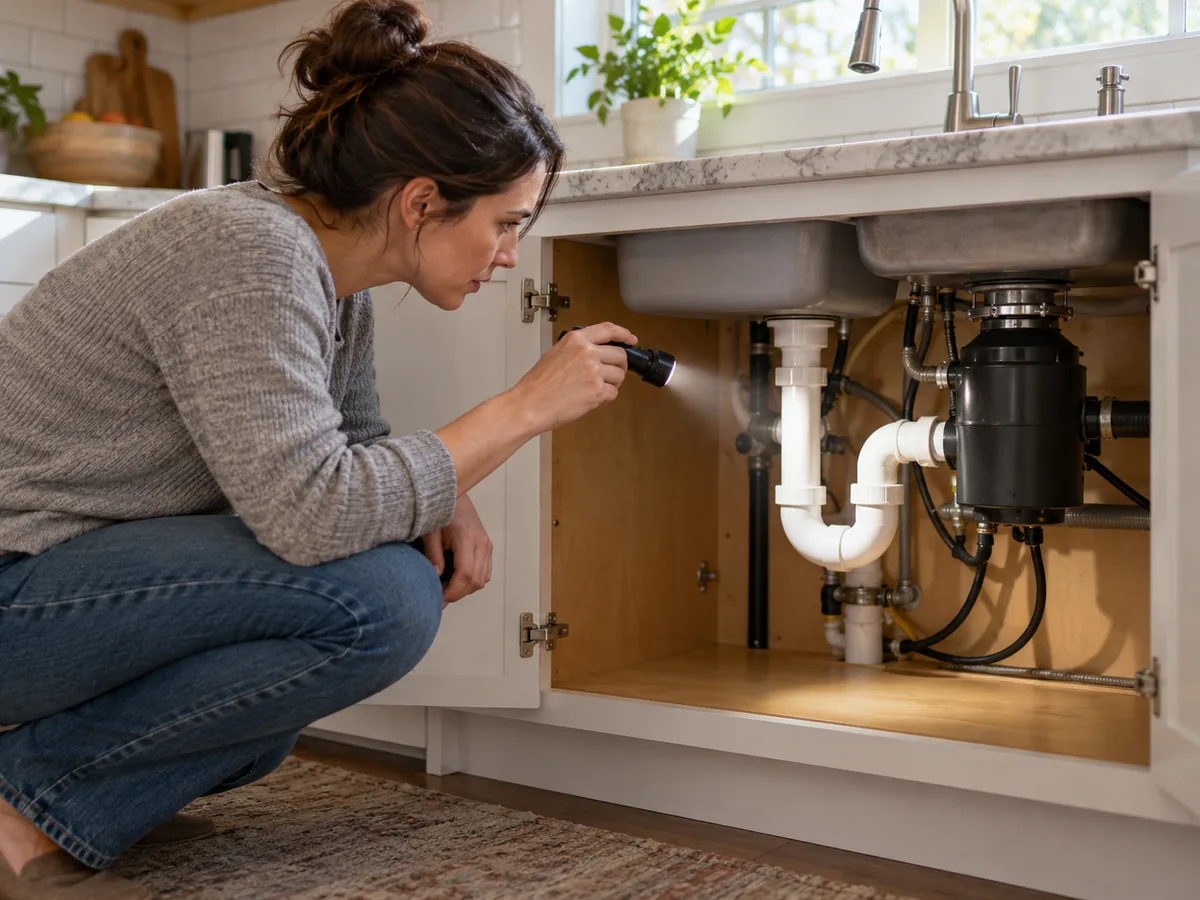
If the area is stable and there is no active hazard, look for accessible debris, fresh moisture beneath a sink, a handle that does not return, or a visible connection that drips. Follow fixture instructions for simple removable parts. You do not need to dismantle pipes or reproduce an overflow to gather useful information.
Photograph accessible symptoms and record when they occur. Stop if parts resist, a fixture moves, water begins leaking, or you encounter unfamiliar controls. A safe observation that does not solve the problem is still valuable; it gives a provider a clearer starting point without introducing additional damage.
Ask About Scope, Qualifications, and Pricing
Confirm that the independent provider offers the relevant service and can assess your system. Ask about any diagnostic or callout fee, the basis of an estimate, and how extra work is approved. Discuss any credentials or insurance you consider necessary directly rather than infer them from a referral website.
A clear scope should explain the proposed work, materials or parts, access requirements, exclusions, and follow-up if symptoms return. Compare like-for-like work rather than only the lowest initial figure. Avoid approving a broad replacement without understanding what findings support it and whether a smaller repair is feasible.
Make the Visit More Useful
Provide your location, access constraints, symptoms, and repair history. Clear the work area only when safe, keeping items away from equipment without pulling on pipes. Tell the provider about chemicals, shutoffs you operated, and any automatic appliances that may affect the symptoms.
After assessment, ask what was found and what to monitor. Retain written records of authorized work. If restoration or another trade is needed, clarify responsibility before assuming it is part of the plumbing price. Good communication cannot guarantee an outcome, but it can prevent misunderstandings about what the provider has agreed to do.
Frequently Asked Questions
When is an appointment not the first priority?
Immediate danger from gas, electricity, unstable materials, or serious contamination calls for appropriate emergency assistance. Avoid the unsafe area.
Should I wait if a small leak stops by itself?
Intermittent symptoms can return. Record the pattern and seek assessment if moisture recurs, damages materials, or has an unclear source.
Can a referral website tell me the repair price?
Independent providers set their own charges after considering the problem and scope. Ask about assessment fees and authorize work directly.
How do I know which service to request?
Describe symptoms rather than choosing a diagnosis. A provider can confirm whether their services and equipment fit the situation.
Find Plumbing Help in Dalton, GA
DaltonPlumber.com helps visitors seek independent plumbing provider connections, subject to availability. We are not a plumbing contractor. For urgent hazards use appropriate emergency services; for routine needs discuss scope, pricing, and scheduling with the provider.