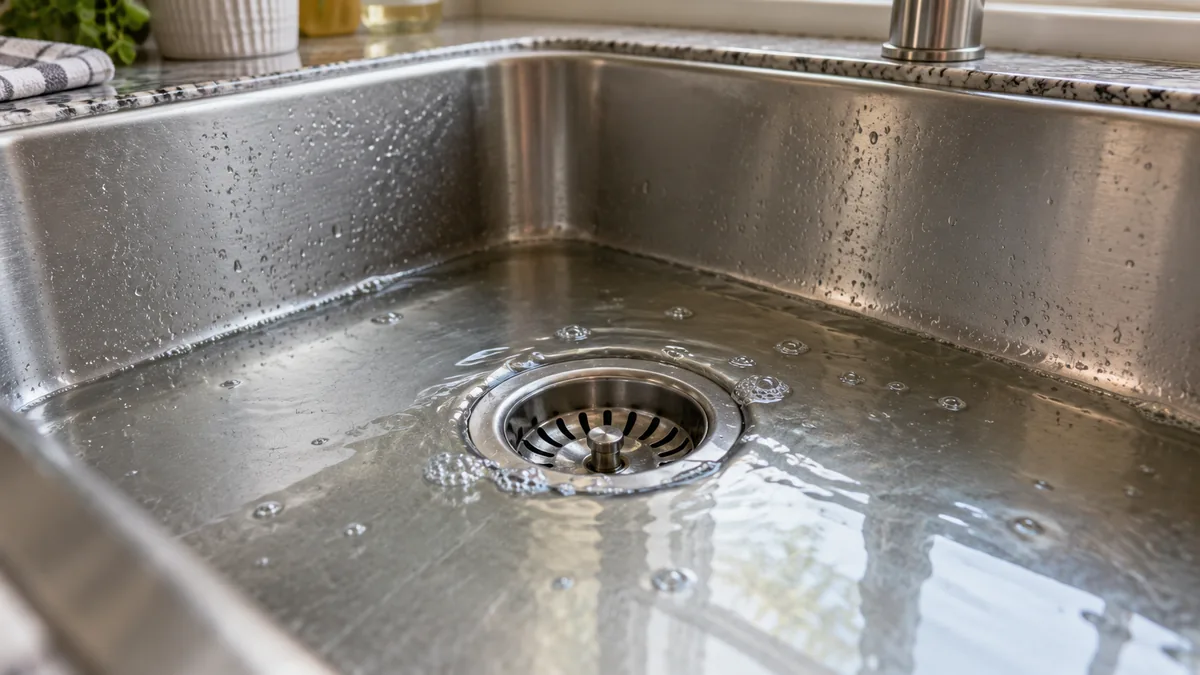
What to Do During an Active Sewer Backup
Stop flushing and running taps, showers, washing machines, and dishwashers that discharge into the affected drainage system. Tell everyone in the household. Keep children and pets away from wastewater, including water that looks clear but has come through a drain.
Stay out of standing water near electrical equipment. Do not open a backed-up cleanout, enter a manhole, or use chemical drain cleaner. A cleanout cap can release wastewater when removed. If there is immediate danger, leave the area and seek appropriate emergency assistance rather than waiting for a referral.
Arrange professional assessment and, where contamination has spread, ask about separate sewage cleanup and restoration. Plumbing work does not automatically include cleaning damaged rooms. Portland’s utility provides general sewer-backup safety and cleanup guidance; its local programs do not apply to Dalton. Our emergency plumbing guide covers broader immediate precautions.
Why Sewer Backups Keep Returning
Material remains or keeps entering the line
Grease, wipes, and other unsuitable material can restrict drainage. A temporary opening through an obstruction may explain why flow improves and then deteriorates. Record what was removed during previous work instead of assuming every repeat event has the same cause.
Roots enter through a defect
Roots can enter sewer piping through openings or defective joints. Cutting them back may restore drainage without correcting their entry point. A tree near the line is a clue to discuss, not proof that its roots caused the backup.
The pipe itself needs assessment
A displaced joint, damaged section, or sag can make recurring trouble harder to resolve by clearing alone. Symptoms and pipe age cannot establish which defect is present. Pinellas County explains how sewer-lateral video inspections document roots, misalignment, and sags. Its local inspection requirements are not Georgia requirements.
Consider Rain, Public Sewers, and Septic Systems
A backup that coincides with heavy rain deserves a different discussion from one following ordinary household use. The EPA’s sewer-overflow explanation identifies infiltration, inappropriate connections, blockages, and equipment or capacity problems as possible contributors. Timing alone does not establish a public-system fault.
Report suspected public sewer problems to the utility serving the address. For Dalton Utilities customers, use its official website to find current contact options. Do not assume a Dalton mailing address establishes which utility serves it or who is responsible for a repair.
If the property uses septic, say so before booking sewer work. A tank or drainfield problem can cause similar indoor symptoms and needs an appropriate septic assessment. The EPA’s septic FAQs explain warning signs. Do not open or enter a septic tank.
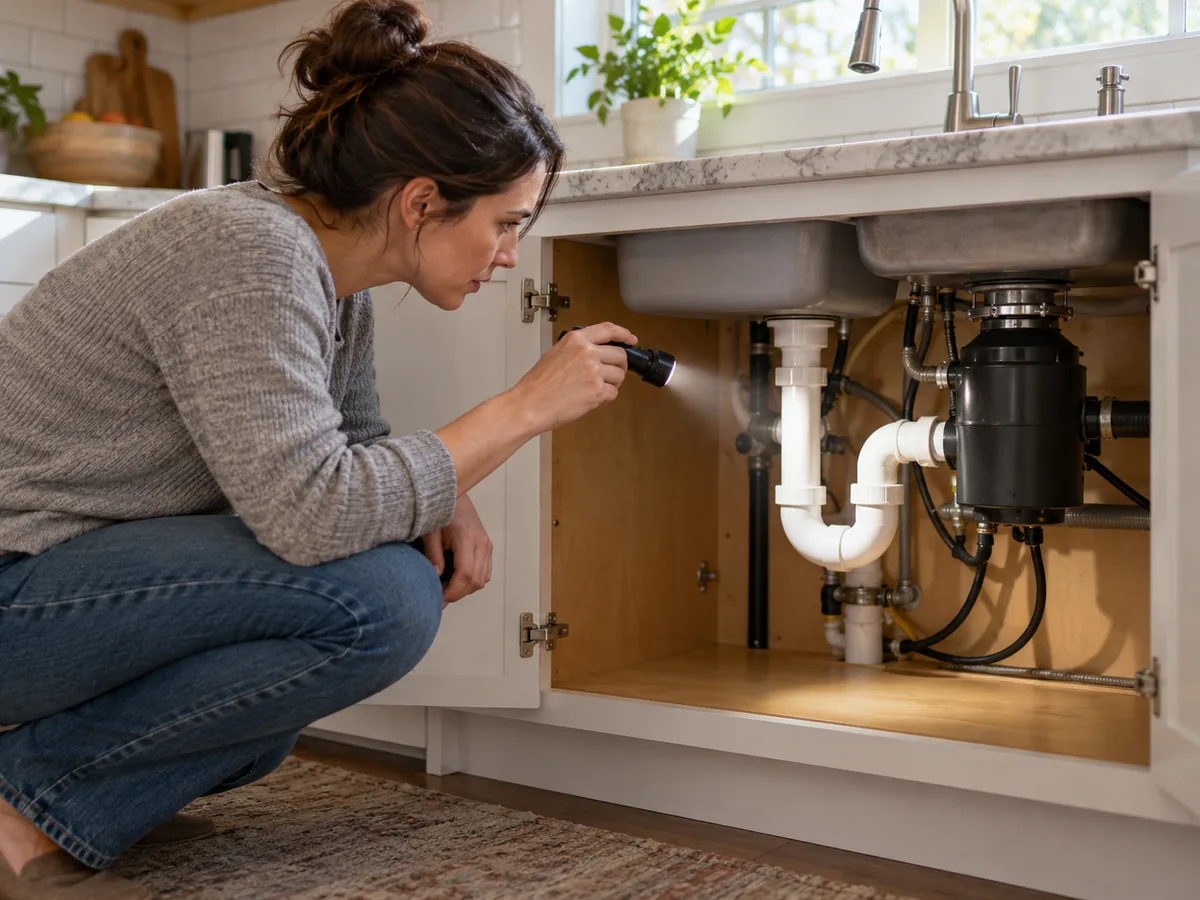
Ask for an Investigation That Explains the Recurrence
Give the provider dates of earlier backups, affected fixtures, weather conditions, previous clearing methods, and any chemical use. Ask whether earlier work reached the same location and whether a recording or written findings are available.
A camera inspection may help document condition, but access, debris, and standing wastewater can limit the view. Seattle Public Utilities explains these limits in its sewer assessment and repair guidance. Ask what was visible, what remains uncertain, and whether cleaning is needed before inspection.
Separate restoring flow from correcting the cause. Request a written scope explaining the findings, proposed method, access, exclusions, and follow-up if symptoms return. Our drain cleaning service information describes common methods; pipe repair information helps frame questions when a defect is documented. Neither establishes that a particular provider offers sewer repairs.
Reduce Repeat Blockages Without Promising a Cure
- Put cooled cooking grease in the trash rather than rinsing it away.
- Flush only human waste and toilet paper; keep wipes and hygiene products out.
- Keep written clearing and inspection records so repeat symptoms can be compared.
- Follow a provider’s condition-based maintenance recommendations rather than adding chemicals on a fixed schedule.
Portland’s safe-flushing guidance explains why unsuitable items belong in the trash. Better habits cannot repair an existing structural defect.
If outside sewer flow is implicated, ask a qualified provider and the serving utility whether a properly designed backwater device is suitable. It requires maintenance and is not a substitute for fixing a blocked private drain. Do not buy equipment solely because the backup happened after rain.
Frequently Asked Questions
Why does my sewer back up again after snaking?
A cable may restore a flow path without resolving all deposits, root entry, or pipe damage. Ask what was found and whether the recurring location needs further inspection. A return of symptoms does not by itself identify the cause.
Does a recurring backup mean I need a new sewer line?
Not necessarily. Cleaning, a localized repair, or wider replacement address different findings. Ask for evidence of the defect and an explanation of why the proposed scope fits it.
Will turning off the water stop sewage coming in?
It can reduce wastewater produced by your own fixtures, but it does not isolate a sewer from public-system surcharge or discharge from other connected units. Stop household water use and seek assessment.
Should I schedule sewer cleaning every year?
There is no single interval for every property. Ask for a maintenance plan based on the documented cause, pipe condition, past recurrence, and any equipment instructions.
Find Appropriate Help for Recurring Backups
DaltonPlumber.com is an independent plumbing referral website, not a licensed plumbing contractor. You can submit a plumbing inquiry, but a response, connection, or appointment is not guaranteed. Confirm sewer-work capability, qualifications, availability, and pricing directly with the independent provider.